From a walk through the plant room to a budget the board will sign.
There is no software to install and nothing on the equipment changes. The work starts with a camera.
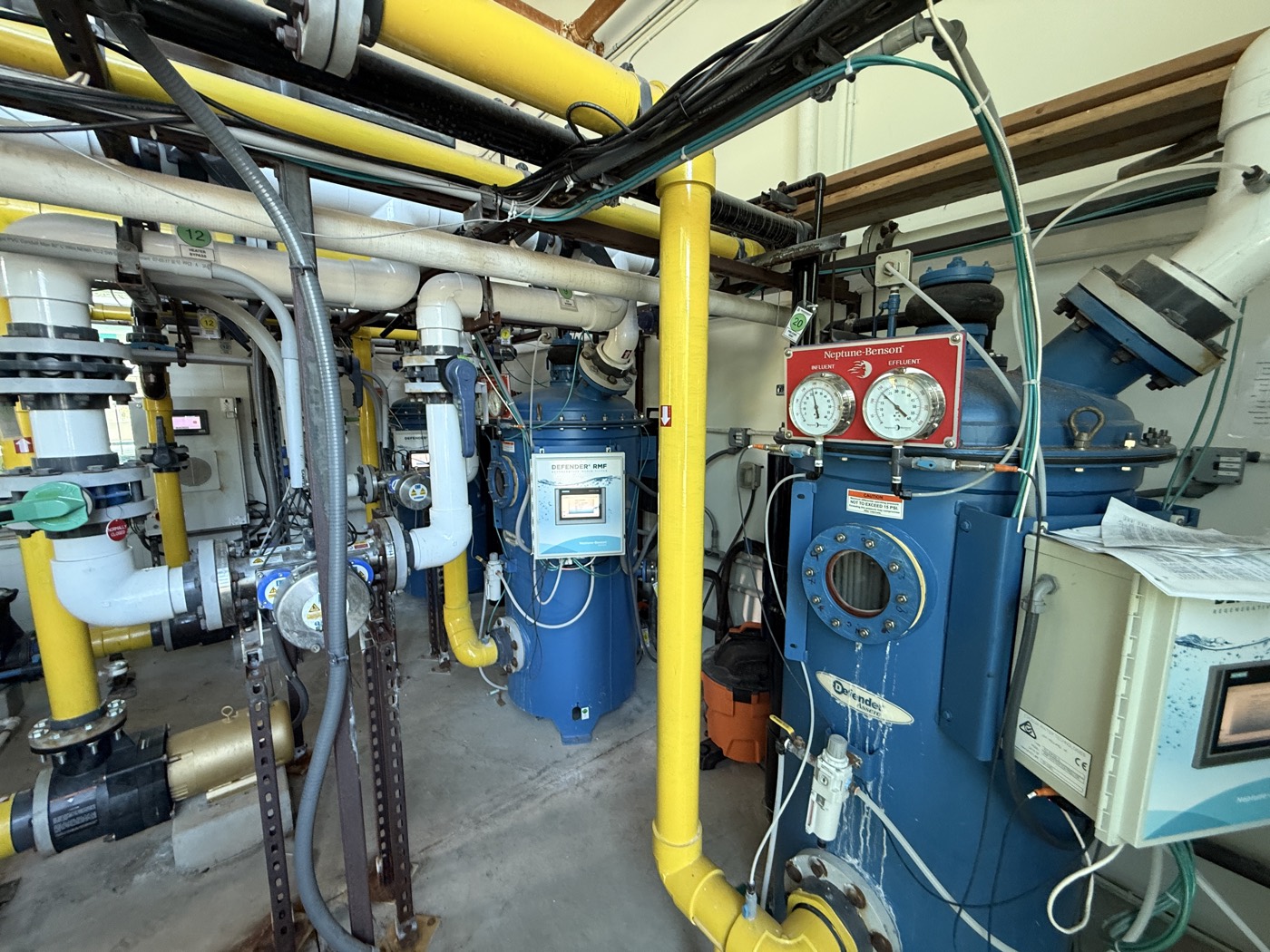
The walk
A technician photographs every nameplate, gauge and display in the room. Hydro Monitor reads make, model, serial and ratings from the photos and shows the technician what it found, one unit at a time. Nothing is saved until a person confirms it. A typical three-pool room takes an afternoon.
The rating
Each unit gets a condition score from one to five and a recommendation: good, monitor, repair or replace. Deficiencies get a note and a photo. Typing is kept to a minimum on purpose; most of it is a tap.
The plan
Age, expected life, condition, run-hours and repair history become a replacement window and a cost range for every asset, rolled up by pool and by property into twelve-month, three-year and five-year requirements and an annual reserve figure. Each line carries its reasoning.
The report
A branded PDF for the board or the owner, a spreadsheet export in the format reserve analysts use, and, for service companies, a priced proposal built from the deficiencies.
Between visits, the plan stays current.
Chemistry and filtration controllers that can send email alerts or publish to a portal are pointed at Hydro Monitor, so run-hours and alarms feed the forecast without anyone typing. Where a room has nothing that talks, a small cellular gateway or a scheduled photo round does the job.
Every service visit, part and cost is logged against the exact serial it belongs to. When repairs on a unit start to add up against its replacement cost, it moves up the list.
See it on your own equipment.
Request a walk-through