The numbers, and where they come from.
A forecast is only useful if you can explain it to someone who wants to cut it. Every dollar on a Hydro Monitor plan traces back to an asset, a date and a reason.
Expected life
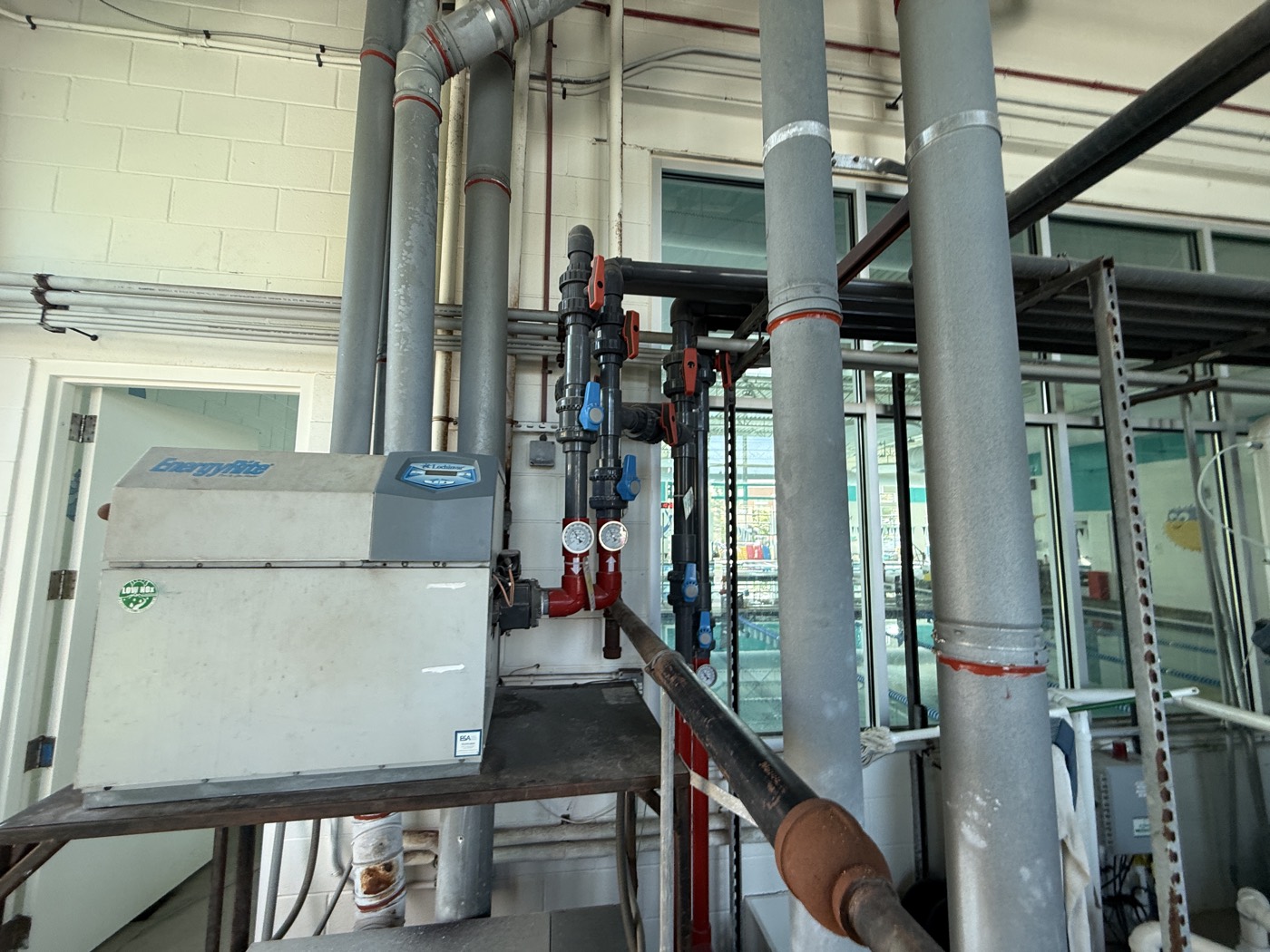
Each category starts from a published service life: pumps and drives around twelve to fifteen years, gas heaters twelve, chemistry controllers ten, regenerative media filters twenty. Any single asset can override the default when you know better.
Condition
The inspector’s one-to-five rating stretches or shortens remaining life. A unit rated five runs past its book life; a unit rated one is treated as due now, whatever the calendar says.
Run-hours and repairs
Where a controller reports hours, consumables like UV lamps are scheduled on hours, not years. Two or more repairs in twenty-four months shortens the horizon. Cumulative repair spend is tracked against replacement cost so you can see when to stop.
Cost
Installed replacement-cost bands per category, adjustable per asset, and, for service companies, priced through your own labor and markup rules. Ranges are shown as low and high; single numbers invite false precision.
Confidence
Each line is marked high, medium or low based on what we actually know: install date, serial, condition rating, and whether the unit has been inspected. Missing data is visible, not hidden.
Roll-ups
By asset, by pool, by property, by portfolio. Twelve months, three years, five years, and the straight-line annual reserve that funds replacement at end of life. A reserve balance and fiscal year turn that into a funded percentage.
Reserve studies, done from the inside of the equipment room.
Twelve states, Virginia among them, require associations to hold reserve studies. The pool line in most of them is an estimate written from the parking lot. Hydro Monitor exports the component list the way analysts expect it: asset, placed in service, useful life, remaining life, condition, replacement cost. Hand it to your reserve firm or attach it to the budget.
Ask for a sample plan.
Request a walk-through